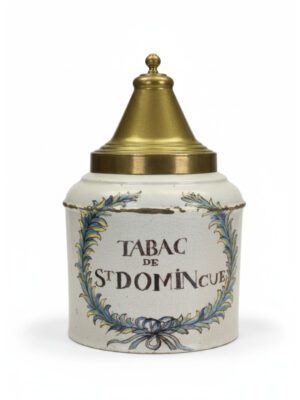
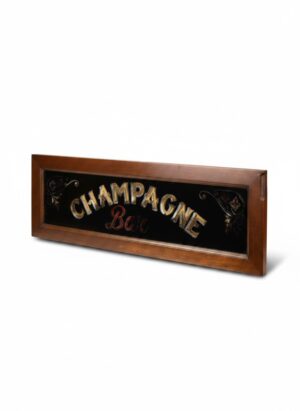
Advertising, in the antiques and collecting world, refers to the historic material produced to promote goods, services and businesses, including signs, posters, showcards, shop display items, packaging, trade cards and printed ephemera. Such material records changing commercial life, graphic design and consumer culture over more than two centuries.
The expansion of manufacturing and branded goods in the nineteenth century led to an explosion of advertising, aided by advances in colour lithography and printing. Enamelled steel signs became widespread on shops, railway stations and buildings from the late Victorian period, while manufacturers of tea, tobacco, soap, biscuits and confectionery commissioned decorative tins, display cabinets and point-of-sale figures. Posters by leading illustrators and designers became works of art in their own right, especially in the Art Nouveau and Art Deco periods. Collectors are drawn to strong graphics, famous brands, rarity and the nostalgic appeal of familiar products. Condition is important, with chips, fading and rust affecting value, though some honest wear is accepted. Reproductions are common, particularly of enamel signs, so buyers should look for genuine age, correct manufacturing methods and maker's marks.