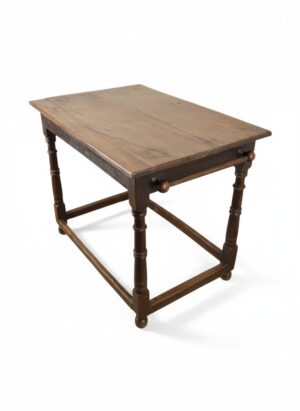
Exotic woods are the imported timbers prized by furniture makers for their colour, figure, density and rarity. The term covers woods such as mahogany, rosewood, satinwood, kingwood, tulipwood, ebony, amboyna, thuya, zebrawood, calamander and coromandel, brought to Europe from the Americas, Africa, India and South East Asia.
As global trade expanded from the seventeenth century, cabinetmakers in London, Paris and Amsterdam gained access to an ever-wider palette of timbers. Mahogany became the dominant British furniture wood of the Georgian period, while satinwood characterised much late eighteenth-century work, and rosewood and coromandel were particularly fashionable during the Regency. Because many exotic woods were costly and dense, they were often cut into thin veneers and laid over a carcase of oak or pine, sometimes combined with crossbanding, stringing and marquetry. French ébénistes made extensive use of kingwood and tulipwood in parquetry. Identifying woods correctly helps with dating and attribution, though fading and old finishes can make this difficult. Some species, including Brazilian rosewood, are now protected under CITES, which can affect the sale and export of antique furniture made from them or incorporating them.