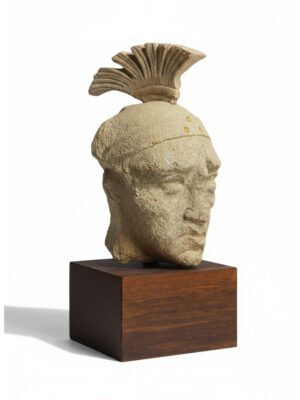
Figure carving is the art of carving human or animal figures in wood, stone, ivory, bone, jade or other materials, either as freestanding sculpture or as part of furniture, architecture and decorative objects. It ranges from monumental church statuary and architectural figures to small devotional carvings, ship's figureheads, toys and netsuke.
Medieval and Renaissance woodcarvers in England, Germany and the Low Countries produced remarkable figures of saints and angels for churches, often in oak or limewood and originally painted and gilded. In England, the late seventeenth-century carver Grinling Gibbons raised decorative carving to new heights, although his reputation rests chiefly on naturalistic limewood garlands rather than figures. Later traditions include Black Forest carving from southern Germany, known for bears and hunting figures, and Victorian carved oak furniture incorporating caryatids, putti and mythological figures. Folk carvings and naive figures from rural Britain, Europe and America are also collected. When assessing a figure carving, collectors consider the quality and liveliness of the modelling, the treatment of faces and hands, the survival of original paint or surface, and evidence of age such as shrinkage, wear and worm damage.