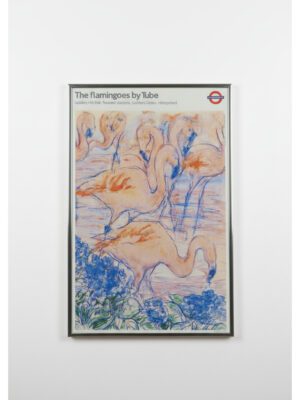
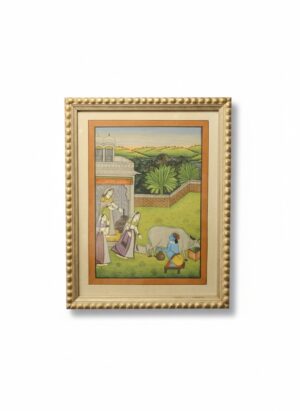
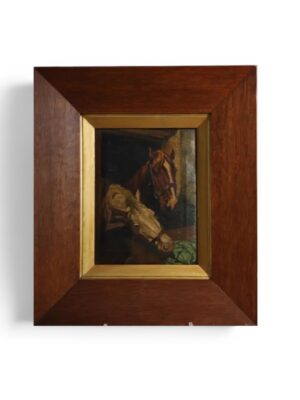
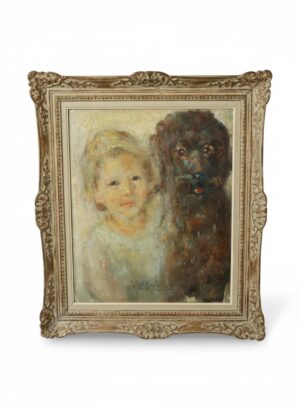
A framed oil painting is a picture painted in oil colours, on canvas, panel or board, presented within a frame that protects its edges and sets it off on the wall. In the antiques and art trade the frame is treated as part of the work's presentation, and the relationship between painting and frame can have a marked effect on both its appearance and its value.
Oil paintings were traditionally framed to suit the taste of the period and the room in which they would hang. Old Master and eighteenth-century portraits were commonly set in carved giltwood frames, Dutch cabinet pictures in black or ebonised mouldings, and Victorian landscapes and genre scenes in deep gilt composition frames, sometimes with a gilded inner slip. Some artists designed their own frames, and an original or artist-chosen frame is especially valued, while a good period frame from the right date can transform a picture that has been reframed unsympathetically. When examining a framed oil painting, look at the condition of the paint surface, signs of relining or retouching, the state of the varnish and the stretcher, and the fit of the painting within the rebate. Old labels, inscriptions and exhibition stickers on the back can provide useful evidence of history and provenance.