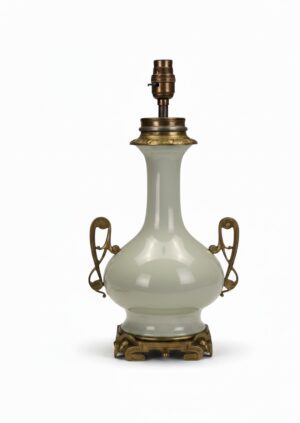
French ceramics encompass the full range of pottery and porcelain made in France, from tin-glazed faience and stoneware to the soft-paste and hard-paste porcelain of the royal and private factories. France is especially renowned for the refinement of its eighteenth-century porcelain and for the long regional tradition of colourful earthenware.
Faience, inspired by Italian maiolica, was produced at centres such as Nevers, Rouen, Moustiers and Strasbourg from the seventeenth century. Soft-paste porcelain followed at Saint-Cloud, Chantilly and Mennecy, and the factory founded at Vincennes moved to Sèvres in the 1750s, coming under royal ownership and producing some of the most luxurious porcelain in Europe, celebrated for its ground colours and gilding. The discovery of kaolin near Limoges allowed hard-paste porcelain to be made, and Limoges became the centre of the French porcelain industry in the nineteenth century. Later highlights include the Art Nouveau stoneware and art pottery of makers such as Massier and Gallé, and the peasant-style faience of Quimper. Collectors study factory marks, painters' marks and paste carefully, as Sèvres in particular has been widely copied and its marks frequently faked.