French Restoration is the decorative style of the Bourbon Restoration, the period from 1814 to 1830 when the French monarchy was restored under Louis XVIII and then Charles X, after the fall of Napoleon. The style continued many of the classical forms of the Empire period, but in a lighter, softer and more domestic manner, and it is sometimes divided into the Louis XVIII and Charles X styles.
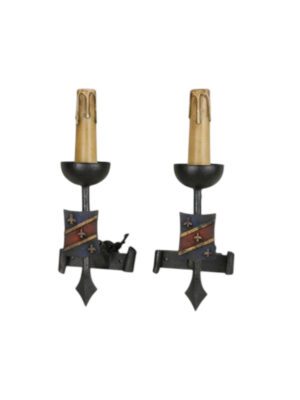
Restoration furniture is particularly associated with pale, figured woods, known in French as bois clair, such as maple, ash, elm, burr elm and citronnier, or lemonwood, often inlaid with contrasting dark woods like amaranth or ebony in delicate scrolling patterns. Darker mahogany and rosewood were also used. Shapes became more rounded and gentle than in the Empire period, gilt bronze mounts were used more sparingly, and new comfortable forms appeared, including the gondola chair and the méridienne. Gothic ornament, known as the troubadour style, also made an appearance on furniture and objects towards 1830. Collectors appreciate Restoration furniture for its fine veneers, quality of construction and elegant, practical forms, and they look for unfaded or evenly mellowed timber and original mounts. Its light colouring and restrained lines make Restoration furniture particularly easy to use in modern interiors.