Glazed earthenware is pottery made from clay fired at relatively low temperatures, producing a porous body that is then sealed and decorated with a glaze. Earthenware is softer and more absorbent than stoneware or porcelain, so the glaze serves both a practical purpose, making the vessel watertight, and a decorative one.
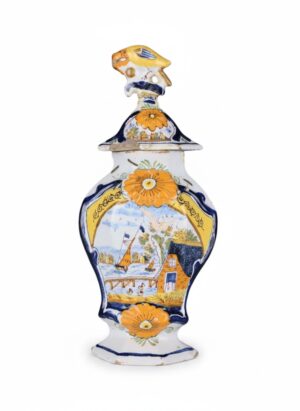
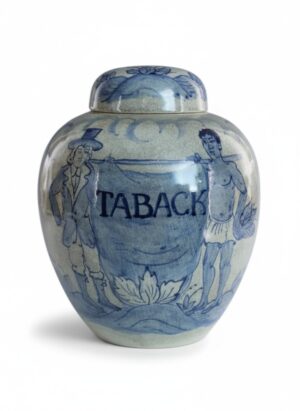
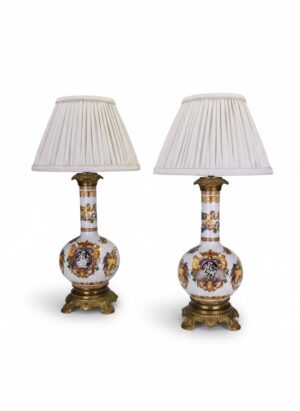
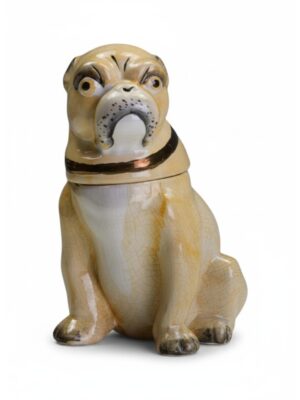
Different glazes produced very different traditions. Lead glazes, clear or coloured, were used for medieval jugs, slipware and later country pottery; tin glazes, opaque and white, gave rise to Italian maiolica, French faience and Dutch and English delftware, which imitated porcelain. In eighteenth-century Staffordshire, refined cream-coloured earthenware, or creamware, was developed and improved by potters including Josiah Wedgwood, followed by pearlware with its slightly bluish glaze. These wares, decorated with painting and later transfer printing, became the everyday tableware of Britain and much of the world. Victorian glazed earthenware ranged from majolica with thick coloured glazes to Staffordshire figures, art pottery and tiles. When buying, look for crazing, chips, restoration and staining, since the porous body can absorb dirt where the glaze is damaged. Glazed earthenware is widely collected for its variety, and country pottery and transfer-printed wares remain especially popular in kitchens and dressers.