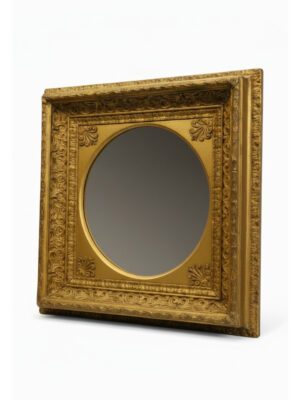
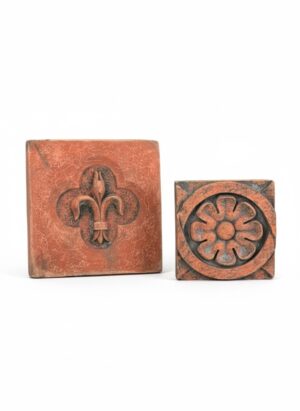
Greek Revival is a style of architecture and decoration based on the buildings and ornament of ancient Greece, as opposed to the Roman models that had dominated classical design since the Renaissance. It is characterised by bold, simple forms, Greek Doric and Ionic columns, low pediments, plain wall surfaces and ornaments such as the anthemion, palmette, Greek key and acanthus.
Interest in Greek architecture grew in the mid eighteenth century as travellers and scholars studied the ruins at first hand, most influentially James Stuart and Nicholas Revett, whose Antiquities of Athens was published from 1762. The style flourished in Britain from about 1800 to the 1840s, overlapping with the Regency, and is seen in buildings such as Robert Smirke's British Museum and in the work of architects including William Wilkins and C. R. Cockerell. In Scotland it was so popular that Edinburgh became known as the Athens of the North, and in the United States Greek Revival was a national style for public buildings and houses in the early to mid nineteenth century. In furniture and decoration it inspired klismos chairs, sabre legs, couches, tripod stands and anthemion mounts. Collectors and architects admire the style for its clarity and restraint.