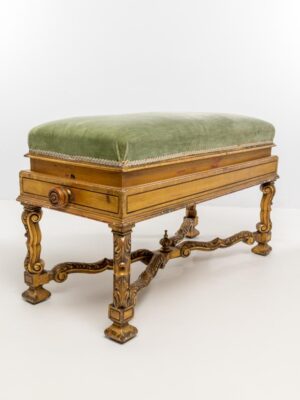
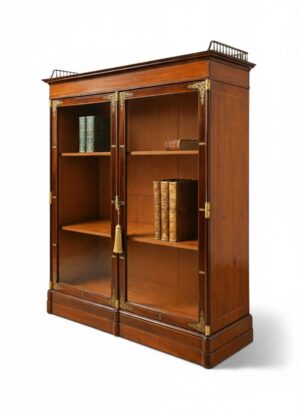
A hutch is a term with two main meanings in furniture. In traditional British usage it describes a chest, box or small cupboard, often raised on legs or stiles, used for storing food, grain or household goods, and frequently ventilated with pierced or turned panels to allow air to circulate. In modern and American usage it more commonly refers to the upper shelved or cupboarded section of a dresser or sideboard.
Early hutches and food cupboards survive from the late medieval and Tudor periods, typically in oak with simple joined or boarded construction, and some feature pierced Gothic tracery or rows of turned spindles in the doors to keep bread and other provisions aired. In later country furniture the term came to be applied to standing cupboards and to the stepped or open shelf sections of kitchen dressers used for displaying plates and storing crockery. Antique hutches were made in oak, elm, pine and fruitwood. Collectors look for original doors and hinges, sound joinery and a mellow patina, and check for marriages of tops and bases. A hutch works well in kitchens, halls and dining rooms.