Louis XV is the name given to the French decorative style associated with the reign of King Louis XV, from 1715 to 1774, and in particular with the fully developed Rococo of roughly 1730 to 1760. It followed the transitional Régence style and preceded the Neoclassical Louis XVI style.
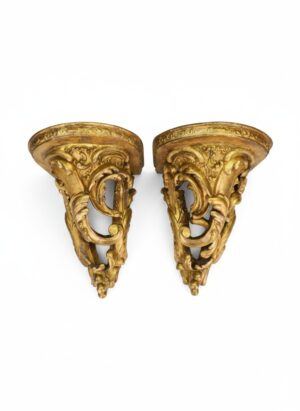
Louis XV design is characterised by curving, asymmetrical forms, cabriole legs, serpentine and bombé shapes, and ornament of shells, scrolls, flowers, foliage and rocaille. French ébénistes and menuisiers produced exquisite furniture, including commodes with gilt-bronze or ormolu mounts and floral marquetry, writing tables, bergères and fauteuils with carved and gilded or painted frames, and small specialised tables for ladies. Porcelain from Vincennes and Sèvres, silver, clocks and textiles shared the same graceful, feminine style. Louis XV forms were revived extensively during the nineteenth century, both in France and Britain, so many pieces described as Louis XV are later revival examples, which can be of excellent quality in their own right but should be distinguished from period work.