Oak panelling is the lining of interior walls with framed panels of oak, a technique also called wainscoting. It consists of a framework of vertical stiles and horizontal rails joined by mortise and tenon, into which thinner panels are set within grooves, allowing the wood to expand and contract without splitting.
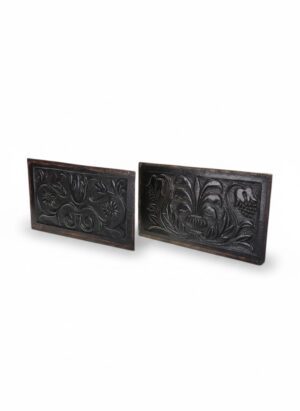
Oak panelling became widespread in English houses from the late medieval period, insulating rooms against cold and damp and creating richly decorated interiors. Tudor panelling often features small square panels and linenfold carving, imitating folded cloth, while Elizabethan and Jacobean rooms display more elaborate carving, arcaded panels, pilasters and carved friezes. In the later seventeenth century larger fielded panels, often in painted pine or oak, became fashionable, and oak panelling was later revived with enthusiasm by Victorian and Edwardian architects in Tudor and Jacobean revival styles. Antique oak panelling is frequently salvaged from demolished buildings and reinstalled elsewhere, so collectors and specifiers should check the extent of later additions and alterations. Original colour, patina, good carving and complete rooms carry particular value. Today oak panelling brings warmth and historical character to libraries, dining rooms, halls and studies, and it can be adapted to fit new spaces.