Wainscoting is wooden panelling applied to the interior walls of a room, either covering the full height or, more commonly in later periods, only the lower part up to dado height. The word comes from wainscot, the high-quality quarter-sawn oak imported into England from the Baltic in the medieval and Tudor periods for joinery and panelling.
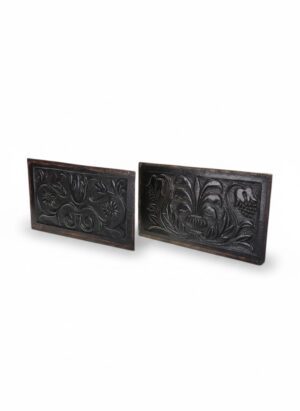
Early wainscoting, found in Tudor and Jacobean houses, typically consisted of small oak panels set within a framework of rails and stiles, sometimes carved with linenfold or strapwork decoration. It provided insulation and protected walls from damp and damage. In the late seventeenth and eighteenth centuries larger raised and fielded panels became fashionable, frequently made of pine and painted rather than left as bare oak. By the Georgian and Victorian periods wainscoting was often reduced to a dado of panelling beneath a chair rail, with plaster or wallpaper above. Antique wainscoting salvaged from old houses is highly valued for restoration projects and new interiors. Buyers should consider the quality of timber, completeness of runs, original surfaces and whether panels can be adapted to fit new room dimensions without losing their character.