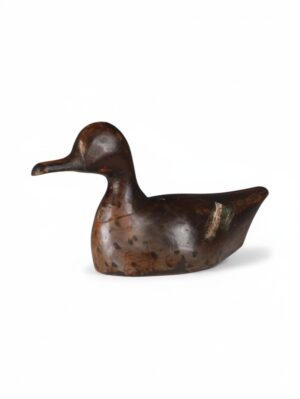
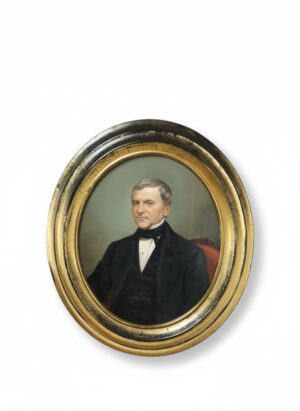
Restoration and conservation are the two main approaches to caring for and repairing antiques and works of art. Conservation aims to stabilise an object, prevent further deterioration and preserve as much original material as possible, while restoration seeks to return an object to an earlier appearance or working condition, which may involve replacing missing parts or refinishing surfaces.
The distinction matters greatly to collectors and dealers. Over-zealous restoration, such as stripping and repolishing furniture, regilding frames, replacing veneers or heavily cleaning bronze, can remove the original surface and much of the value of a piece. Modern conservation practice favours minimal intervention, the use of reversible materials and careful documentation of any work undertaken. Restoration still has an important role, particularly where antiques are intended for everyday use, such as rewiring lighting, consolidating loose joints in chairs or overhauling clock movements. Preventive care, including stable humidity, protection from sunlight and pests, and sensible handling, avoids many problems in the first place. Buyers should always ask what work has been carried out, and reputable dealers will disclose significant restoration. Skilled, sympathetic work by an experienced craftsman can preserve an object's character while making it fit to use.