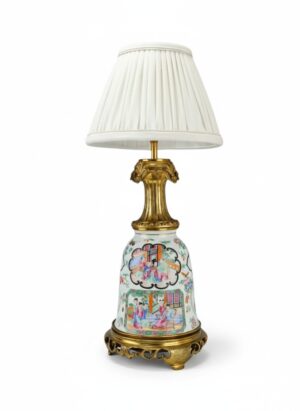
Styles and periods are the two related frameworks used to classify antiques and decorative arts. A period refers to a span of time, often named after a reigning monarch or dynasty, such as the Elizabethan, Georgian or Victorian periods, while a style describes a recognisable set of forms, motifs and materials, such as Baroque, Rococo, Neo-classical, Gothic Revival or Art Deco.
In Britain the sequence broadly runs from the Tudor and Elizabethan age of oak, through the Jacobean and Carolean periods, William and Mary and Queen Anne, when walnut prevailed, to the Georgian era of mahogany and the Regency. The Victorian period brought a succession of revivals alongside the Aesthetic Movement and Arts and Crafts, followed by Edwardian, Art Nouveau, Art Deco and mid-century modern design. Styles frequently outlived the periods in which they began and were revived repeatedly, so a Sheraton-style table may date from 1790 or 1900. Understanding both style and period allows a buyer to judge whether construction, timber, hardware and wear agree with the design, which is one of the most reliable ways to identify a genuine antique and to spot later copies.