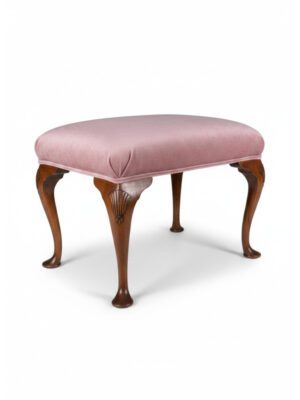
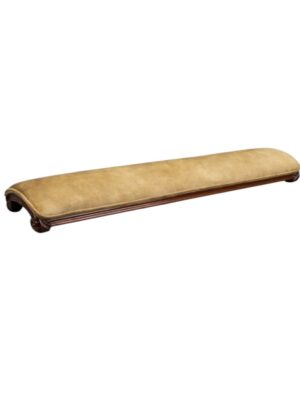
Timber finishing is the process of treating the surface of wood to protect it and bring out its colour and figure. On antique furniture the principal historic finishes are oil, wax and, from the early nineteenth century, French polish, a shellac dissolved in spirit and applied in many thin coats with a rubber to give a deep, glassy shine. Varnishes, lacquers, paint and stains have also been used for particular woods and purposes.
Early oak and country furniture was usually oiled or waxed, and centuries of polishing, handling and exposure to light have built up the mellow surface known as patina. Walnut and mahogany pieces of the eighteenth century were commonly finished with oil varnish or wax, and French polish became standard on fine Regency and Victorian furniture. For collectors, an original or sympathetically maintained finish adds considerable value, while heavy stripping, sanding or modern polyurethane coatings can destroy it. Good restorers clean and revive old surfaces wherever possible, matching traditional materials and techniques, and reserve full refinishing for pieces where the original finish has already been lost or badly damaged.