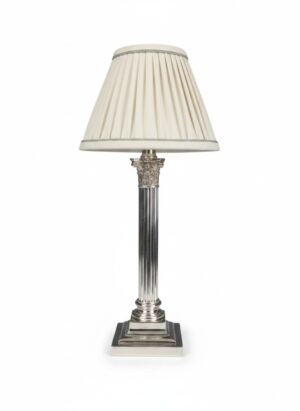
Victorian silver is silverware made in Britain between 1837 and 1901. The period was one of enormous production, driven by an expanding middle class, new manufacturing methods and an appetite for elaborate dining and display.
Styles changed rapidly and often overlapped. Early Victorian silver favoured richly chased Rococo revival ornament, followed by naturalistic, Gothic, Renaissance and later Aesthetic and Japanese-inspired designs. Christopher Dresser's angular, functional designs for firms such as Hukin & Heath and James Dixon & Sons now appear strikingly modern. Typical Victorian pieces include tea and coffee services, presentation cups and trophies, centrepieces, flatware services, novelty condiment sets, card cases, vinaigrettes and dressing-table accessories. Birmingham and Sheffield became great centres of production alongside London, and the introduction of electroplating by Elkington in the 1840s made silver-coloured tableware widely affordable. Hallmarks allow pieces to be attributed to maker, assay office and year. Collectors value quality of design, gauge of metal, crisp decoration and clear marks, and are wary of later added decoration, worn monograms erased by polishing, and pieces converted from other forms. Victorian silver remains an accessible and characterful area for buyers furnishing a period table.