Antique identification is the process of establishing what an object is, when and where it was made, and by whom, using evidence from its materials, construction, style, marks and history. It underpins valuation, insurance, buying and selling, and allows collectors to separate genuine period pieces from later copies and reproductions.
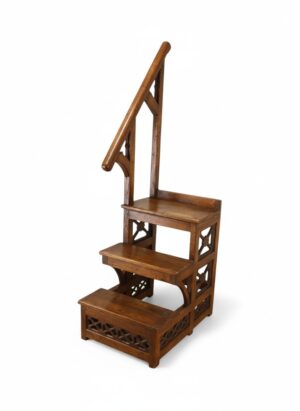
Identification begins with careful examination. For furniture, timber choice, saw marks, dovetails, screws, nails and wear patterns provide important clues, alongside the style and proportions of the piece. Silver can often be identified precisely through hallmarks, while ceramics and glass may carry factory marks, pattern numbers or registration marks, though marks can be misleading and must be considered with the object as a whole. Style indicates a likely period, but revivals and reproductions mean style alone is not enough. Patina, consistent wear and evidence of age are vital, as are signs of alteration, replacement or marriage of parts. Documentary evidence such as labels, invoices, old photographs and inventories can confirm provenance. Reference books, museum collections, auction records and the opinion of experienced dealers or specialists all help in reaching a reliable identification.