Plantation furniture is a broad term for furniture made for, or associated with, colonial plantations and estates, particularly in the Caribbean, the American South, India and South-East Asia. It generally combines European forms with local hardwoods and local craftsmanship, and was designed to suit hot and humid climates.
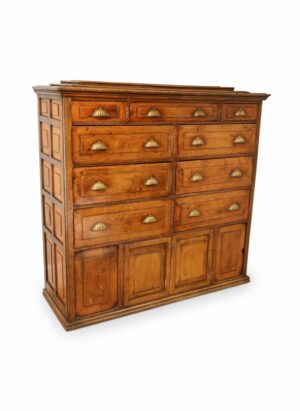
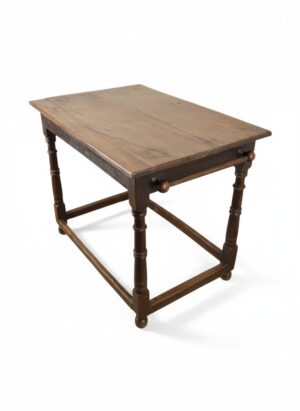
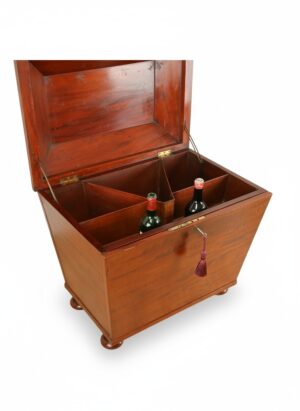
Typical pieces include plantation chairs with extended arms, four-poster beds with tall posts for mosquito nets, caned settees, linen presses, campaign-style chests and planters' desks. Timbers such as mahogany, teak, rosewood and padauk were used, often with caned seats and panels to allow air to circulate. Styles followed British, Dutch, French or Spanish fashion, adapted by local makers, and the results range from sophisticated cabinetmaking to sturdy, simple utilitarian pieces. The term is also widely used in modern retail for new furniture in a relaxed colonial manner, so buyers of antiques should look closely at construction, timber and signs of age. Genuine nineteenth-century pieces with original surfaces and good provenance are increasingly hard to find. Plantation furniture suits conservatories, garden rooms and warm, airy interiors, and pairs well with rattan, linen and botanical prints.