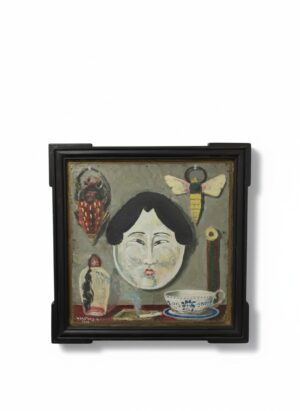
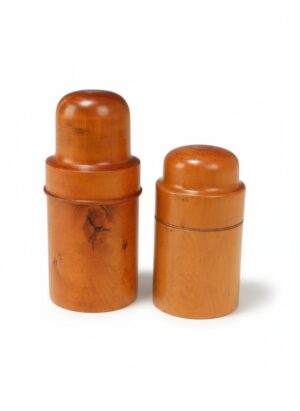
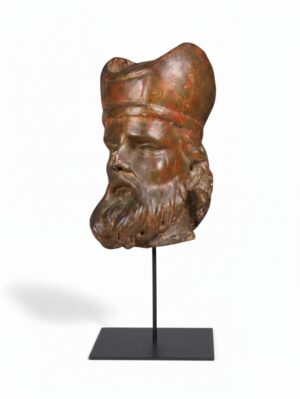
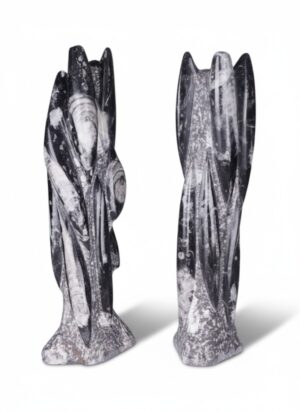
A cabinet of curiosities is a collection of rare, exotic and remarkable objects assembled to represent the wonders of the natural and man-made world. The term, often known by the German Wunderkammer or Kunstkammer, can describe both the collection itself and the room or piece of furniture in which it was displayed.
Such cabinets flourished among European princes, scholars and merchants in the sixteenth and seventeenth centuries. They might contain shells, minerals, fossils, coral, preserved animals, ethnographic objects, antiquities, coins, scientific instruments, carvings and curiosities from newly explored lands, arranged to suggest connections between art, nature and science. In England, the collection of the Tradescant family in Lambeth formed the basis of the Ashmolean Museum in Oxford, and the vast collections of Sir Hans Sloane became the founding collection of the British Museum. Specialist cabinets with many small drawers and compartments were made to house them. Today the idea has inspired a popular decorating style in which natural history specimens, antique instruments, prints and objects are grouped in glazed cabinets or on shelves. Buyers of natural history material should be mindful of legal restrictions on ivory, tortoiseshell and protected species.