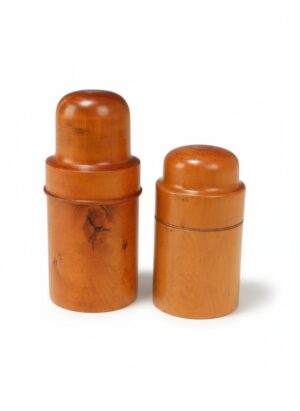
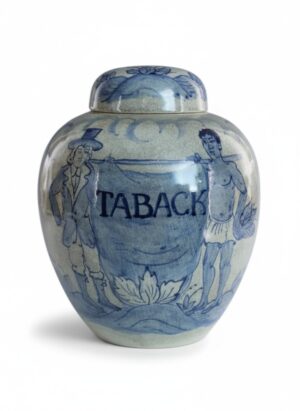
An apothecary was a historic practitioner who prepared and sold medicines, and in the antiques world the word is used to describe the objects associated with the trade, such as jars, bottles, cabinets, scales, pestles and mortars, and shop fittings. Apothecaries often combined the roles of pharmacist and general medical practitioner.
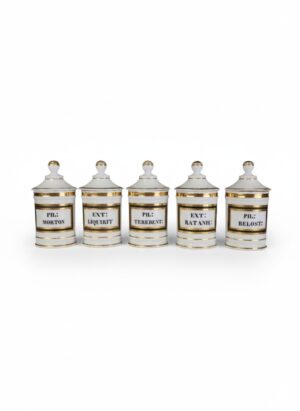
In England the Worshipful Society of Apothecaries was founded in London in 1617, and apothecaries' shops became familiar features of towns throughout the eighteenth and nineteenth centuries. Their interiors were fitted with banks of small labelled drawers, glazed shelving and rows of ceramic and glass containers. Tin-glazed earthenware drug jars, including the waisted albarello, were made in Italy, Spain, the Low Countries and England, often inscribed with the Latin name of the contents. Victorian chemists used glass carboys, labelled bottles and porcelain jars with gilt lettering. Collectors value early tin-glazed jars, complete sets of bottles with original labels, and well-made multi-drawer cabinets in mahogany or pine. Apothecary cabinets are particularly popular with decorators as practical storage for studies, kitchens and dressing rooms, while rows of old jars and bottles make an attractive display on open shelving.