Boxwood carving is the art of carving objects from boxwood, a very dense, hard, fine-grained timber of a pale yellow colour. Its tight grain allows extremely fine detail, so it has long been chosen for miniature sculpture, devotional objects and small useful items.
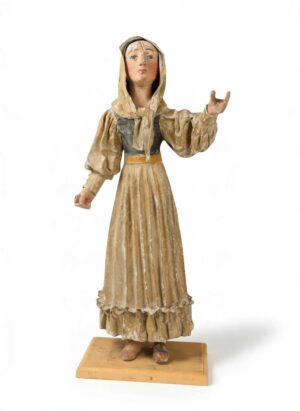
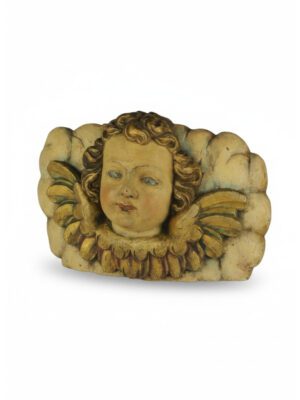
Some of the most remarkable boxwood carvings are the late Gothic prayer nuts and miniature altars made in the Netherlands in the early sixteenth century, which contain astonishingly detailed scenes within a few centimetres. German and Flemish carvers of the Renaissance and Baroque produced statuettes, reliefs and portrait medallions, and boxwood was also used for knife handles, combs, snuff boxes, chess pieces, rulers and treen. Japanese carvers used boxwood for some netsuke and okimono. In the nineteenth century, carvers in Italy, Germany and elsewhere made decorative figures and souvenir pieces. Collectors value fine boxwood carving for its quality of detail, original surface, warm honey patina and freedom from cracks or losses. Because the wood is so dense it is sometimes mistaken for ivory or bone at first glance, and it should be kept out of strong sunlight and away from extremes of heat and humidity.