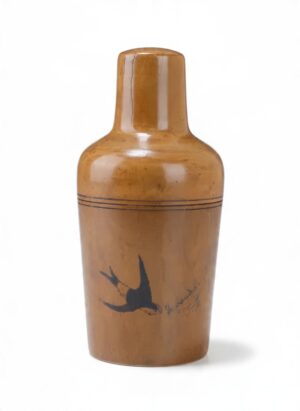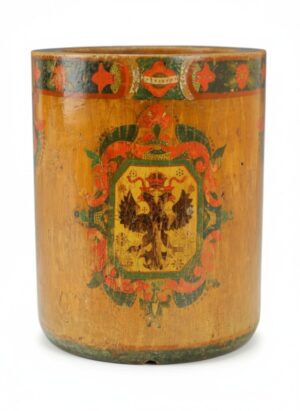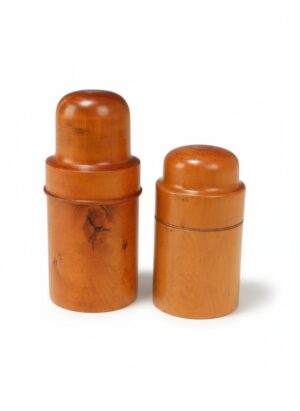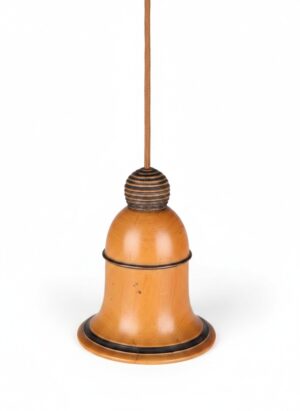














Treen is the collective term for small domestic objects made of wood, usually turned on a lathe or carved by hand. The word derives from an old English form meaning of trees, and it covers a remarkable variety of everyday things, from bowls, platters, cups and spoons to boxes, snuff boxes, nutcrackers, egg cups, apple scoops, needle cases and lace bobbins.
Wooden vessels and utensils were used in households for centuries, long before ceramics and metal became cheap enough for everyday use, and most treen dates from the seventeenth to the nineteenth centuries. Turners and carvers chose woods for their qualities, including sycamore for dairy and kitchen items that did not taint food, boxwood and fruitwoods for fine carved pieces, and dense lignum vitae for large wassail bowls and mortars. Regional specialities include Welsh love spoons, the Scottish souvenir wares known as Mauchline ware and the mosaic-decorated Tunbridge ware of Kent, which are often collected alongside treen. A large collection assembled by Edward Pinto is now held by Birmingham Museums. Collectors value rich colour and patina, signs of genuine use and wear, and interesting or unusual forms. Treen displays well in groups on shelves, dressers and side tables, where its warm surfaces and varied shapes complement country furniture.