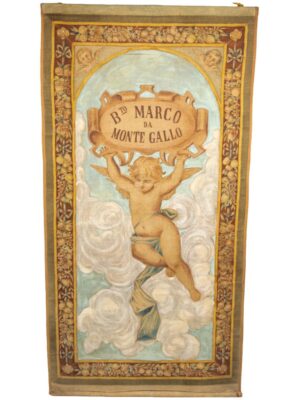
A dress panel is a section of decorated textile made to form part of a garment, such as a bodice front, skirt panel, stomacher, sleeve band, collar or border, and today often found detached from the costume for which it was intended. Panels may be embroidered in silk or metal thread, woven with patterns, beaded, appliquéd, painted or trimmed with lace.
Many dress panels were made to be fitted into garments by a dressmaker, while others were removed from worn-out or unfashionable clothes because the decoration itself was valued. Eighteenth-century examples include embroidered silk panels and pieces from waistcoats and gowns, sometimes worked before being cut and made up. Nineteenth-century panels range from fine whitework to beaded and jet-embellished pieces, and Chinese embroidered silk panels, including sleeve bands and pieces from robes, were imported in quantity and are widely collected. Ethnographic dress panels from many cultures also attract interest. Collectors look for fine workmanship, good colour, design and condition, examining the silk for splitting and the metal threads for tarnish. Panels should be stored flat, protected from light and handled carefully. Today they are often framed and hung as decorative pictures or used in cushions and other textile projects, though fine pieces deserve conservation-grade mounting.