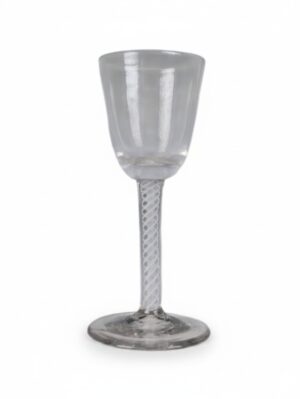
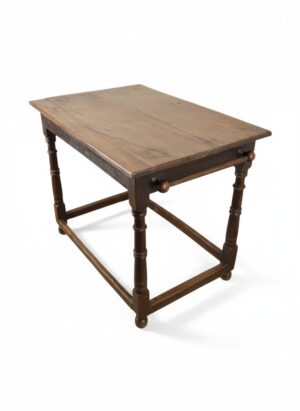
Fine craftsmanship describes the highest standard of skill, care and attention to detail in the making of an object, whether a piece of furniture, a silver vessel, a clock, a textile or a work of decorative art. It is seen in the precision of construction, the quality of materials, the refinement of finish and the confidence with which ornament has been executed.
In antique furniture, fine craftsmanship can be recognised in thin, evenly spaced dovetails, well-chosen and carefully matched veneers, crisp carving, smooth-running drawers, precise inlay and mouldings that are cleanly cut and accurately mitred. In silver it appears as even raising, crisp chasing and well-proportioned forms, while in clocks it is seen in finely finished wheels, pinions and engraved plates. Workshops such as Gillows, Holland & Sons and Wright & Mansfield, and individuals such as the Cotswold School makers, are admired for consistent excellence. Fine craftsmanship is often visible in hidden areas such as drawer linings and backboards, which reveal whether a maker took care throughout. For collectors, quality of making is one of the most reliable indicators of value, and it ensures that a piece will survive and continue to give pleasure for generations.