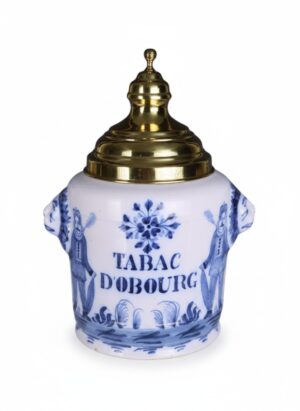
Floral decoration is ornament based on flowers, leaves and blossoming plants, applied to almost every branch of the decorative arts, from porcelain and textiles to furniture, silver, glass and wallpaper. It may be naturalistic, closely recording real species, or stylised into repeating patterns, scrolls and garlands.
Flowers have been a constant source of ornament across cultures and centuries. Chinese porcelain painters used peonies, lotus and chrysanthemums with symbolic meanings, while Ottoman Iznik pottery featured tulips and carnations. In Europe, Dutch flower painting of the seventeenth century inspired lavish floral marquetry on cabinets and longcase clocks, and eighteenth-century porcelain factories such as Meissen, Chelsea and Derby produced richly painted botanical wares. Neoclassical designers favoured restrained swags and husks, whereas the Victorians embraced abundant roses, chintz patterns and naturalistic carving. Later movements reinterpreted flowers again, with William Morris creating flat, rhythmic patterns and Art Nouveau artists favouring sinuous lilies and irises. When assessing floral decoration, collectors consider the quality of drawing or carving, the freshness of colour and whether it is hand-painted or printed. Floral pieces remain a mainstay of English country-house interiors, softening formal rooms and linking them to the garden beyond.