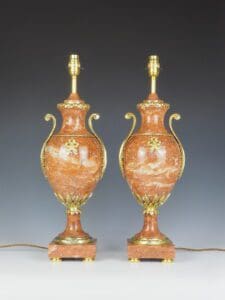
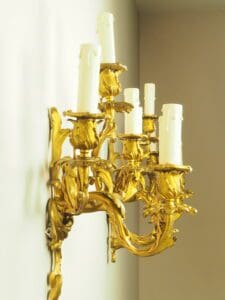


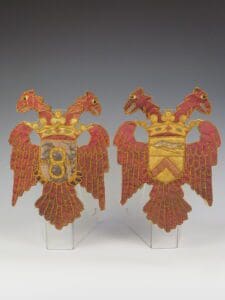

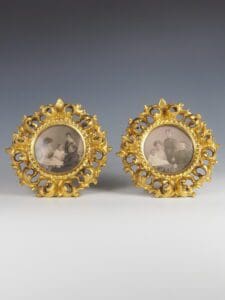
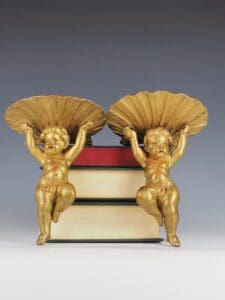




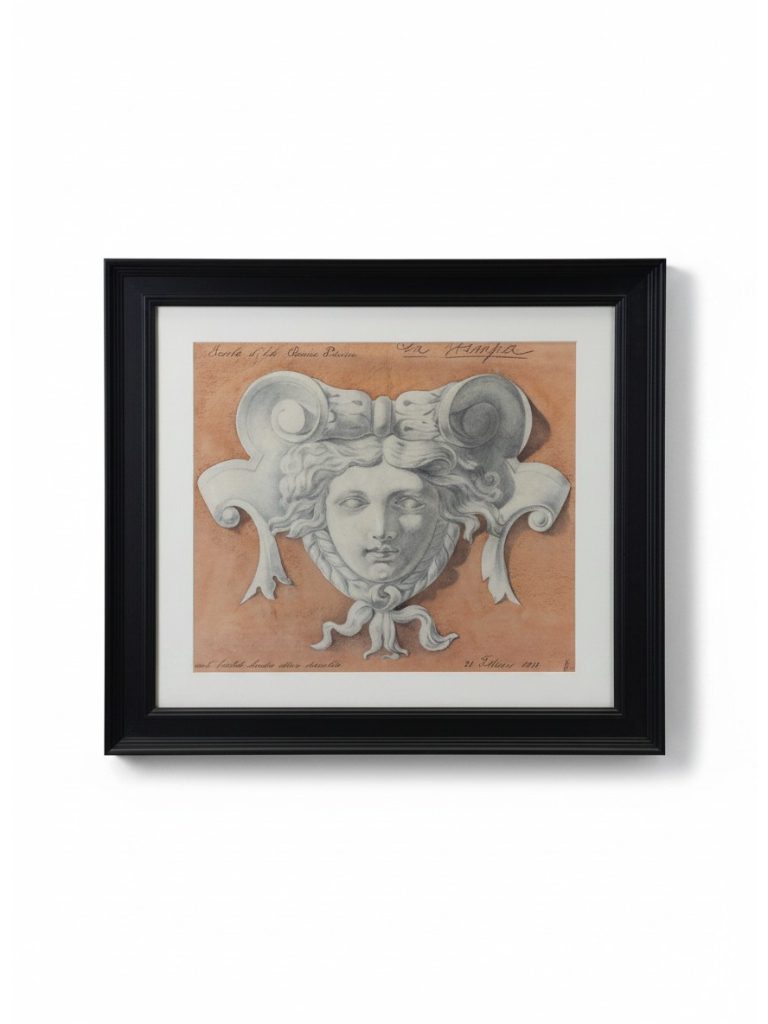






Florentine is a term used for furniture, frames, mirrors and decorative objects made in Florence or in the manner associated with the city's long tradition of craftsmanship. It can refer to genuine Florentine work of the Renaissance and later centuries, or to the revival and souvenir pieces made in the city during the nineteenth and twentieth centuries.
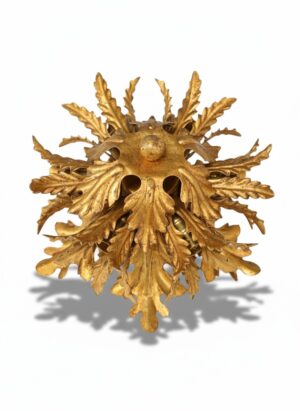
Florence was a leading centre of Renaissance art under the patronage of the Medici, and its workshops excelled in carving, gilding and inlay. The Grand Ducal workshops established by Ferdinando I de' Medici in 1588 became famous for pietra dura, or commesso, in which hardstones are cut and fitted together to create pictorial panels, tabletops and cabinet mounts. Florentine carvers and gilders produced richly carved giltwood frames, often with pierced foliate scrolls, while the city's furniture makers worked in walnut with classical ornament. Nineteenth-century Grand Tour visitors bought pietra dura plaques and table tops, and in the twentieth century Florence became known for gilt and painted wooden trays, boxes, wall brackets and tole ware, frequently with gilded leaves and polychrome flowers. Collectors distinguish carefully between early work and later decorative revival pieces, but both have a strong appeal and suit classical and eclectic interiors alike.