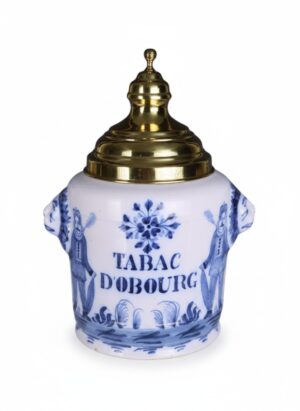
Mercury gilding, also called fire gilding, is a method of applying a thin, durable layer of gold to a metal object, usually bronze, copper or silver, using an amalgam of gold dissolved in mercury. The paste is brushed onto the cleaned surface and the piece is heated, driving off the mercury as vapour and leaving the gold bonded to the metal beneath.
The technique was known in antiquity and reached its height in eighteenth- and early nineteenth-century France, where it was used to produce the gilt-bronze or ormolu mounts, clocks, candelabra and chandeliers of the Louis XV, Louis XVI and Empire periods; in England, Matthew Boulton's Soho works was a leading producer. Fire gilding could be left matt or burnished in selected areas to create contrast, giving the rich, warm finish prized by collectors. The process was extremely hazardous, and gilders frequently suffered mercury poisoning, so it was largely abandoned after electroplating was introduced in the nineteenth century. Genuine mercury gilding has a soft, deep colour and wears gently at high points, while electro-gilding tends to look thinner and brighter. Gilt surfaces should never be polished with abrasive metal cleaners, which strip the gold.