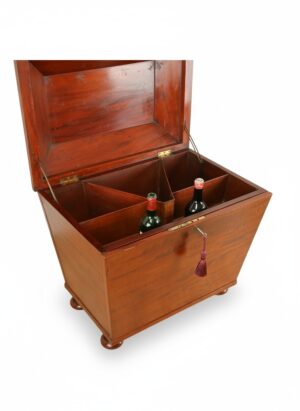
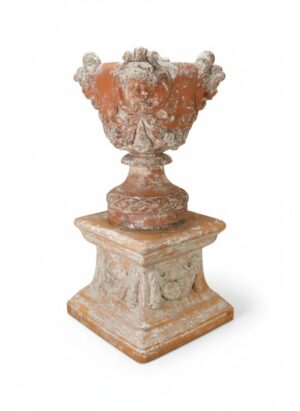
Period furniture is furniture actually made during the historical period whose style it represents, as distinct from later reproductions or revival pieces made in that style. A chair described as period Georgian, for example, should have been made during the Georgian era rather than in the Edwardian or modern period.
The term matters greatly in the antiques trade because style alone does not determine age. Many Georgian, Regency and Queen Anne designs were reproduced in large numbers in the late nineteenth and twentieth centuries, some of excellent quality, and these are valued very differently from originals. Dealers and collectors judge whether a piece is period by examining construction methods, timber, saw and plane marks, dovetails, wear in logical places, the oxidation of unpolished surfaces and the consistency of hardware and fixings. Marriages of parts from different pieces and later alterations are also common and should be identified. A period piece in original condition, with good colour and patina, will usually command a strong premium. Period furniture is used today both in traditional schemes and as a counterpoint to modern design, where its age and craftsmanship give a room character and depth.