Roman architecture is the building tradition of ancient Rome, developed from Etruscan and Greek precedents between the Republic and the late Empire. It adopted the Greek orders of columns but transformed building through the use of the arch, the vault, the dome and Roman concrete, allowing enclosed spaces of unprecedented size.
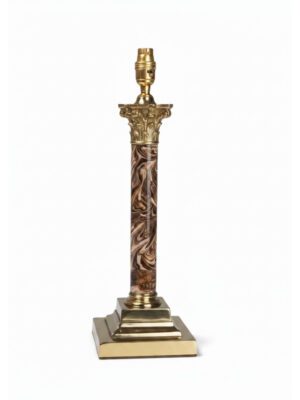
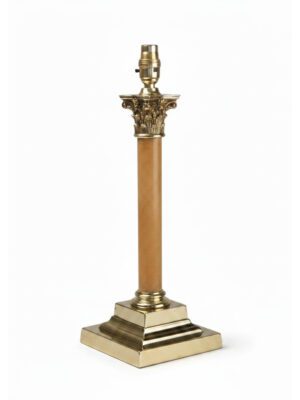
Surviving monuments such as the Pantheon, the Colosseum, triumphal arches, aqueducts, basilicas and bath complexes became the great reference points for Western architecture. The Romans added the Tuscan and Composite orders to the Greek Doric, Ionic and Corinthian, and the treatise of Vitruvius, rediscovered in the Renaissance, codified their principles of proportion. Through Palladio, Inigo Jones and later the Palladian and neoclassical movements, Roman forms shaped British country houses, churches and public buildings, with porticoes, domes, coffered ceilings and rusticated bases. Robert Adam and others studied Roman remains at first hand and adapted their ornament for domestic interiors. For the antiques trade, the legacy is everywhere, from columns, capitals and plaster casts to fire surrounds, urns, garden statuary and furniture enriched with Roman motifs.