Skirting, also known as a skirting board or baseboard, is the board or moulding fitted along the bottom of an interior wall where it meets the floor. It protects the base of the wall from knocks, furniture and cleaning, conceals the joint between wall and floor, and provides a visual base to the room in the same way that a cornice finishes the top.
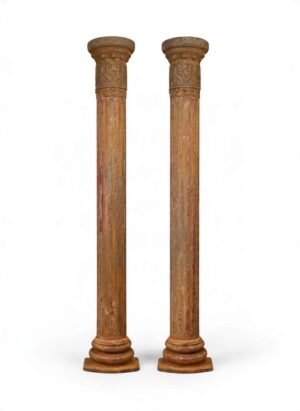
In classical architecture, skirting relates to the plinth or base of a column, and in Georgian interiors it formed part of a complete scheme with panelling, dado rail and cornice. Georgian skirtings were usually relatively low and restrained, with simple torus or ogee mouldings, whereas Victorian houses often had taller, more elaborately moulded boards, sometimes painted or grained to imitate fine woods. Grander halls and staircases might have skirtings of marble, stone or tiles. Most were made of softwood and painted, though hardwood was used in the best rooms and in Arts and Crafts interiors. When restoring a period house, matching the height and profile of original skirting is important for authenticity, and reclaimed lengths or specially run mouldings can be used to replace missing sections.