Victorian textiles are the fabrics, needlework and furnishings produced in Britain between 1837 and 1901, when industrial looms and printing machines transformed production while domestic needlework remained a central part of middle-class life. They include upholstery fabrics, curtains, carpets, shawls, lace, embroidery, quilts and costume.
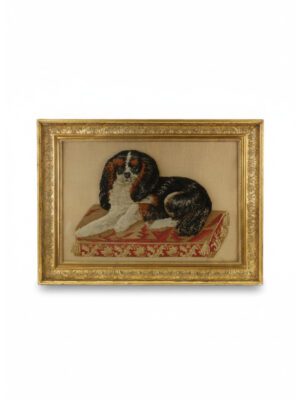
Mechanised weaving, including the Jacquard loom, made patterned silks, damasks and carpets affordable to a growing market, while roller printing produced vast quantities of cotton chintzes. Paisley shawls, woven in imitation of Kashmiri originals, were fashionable for much of the century. At home, women produced samplers, Berlin wool work in brightly coloured worsted on canvas, crochet, patchwork and whitework. In the later decades William Morris and the Arts and Crafts Movement revived hand block printing, natural dyes and embroidery, producing designs still in use today, while the Aesthetic Movement favoured softer colours and Japanese influences. Collectors value Victorian textiles for their design, colour and social history. Condition is crucial, as early aniline dyes can fade and silk often splits, so pieces should be kept away from strong light and handled with care.