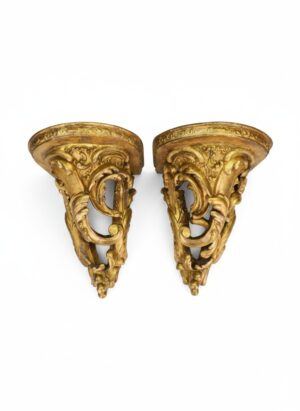
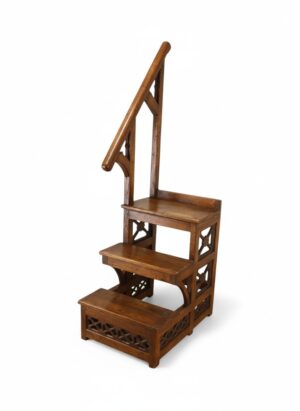
Thomas Chippendale was an English cabinet-maker and furniture designer, born in Otley, Yorkshire, in 1718, who became the most famous name in English furniture. His name is also used more generally for the mid-eighteenth-century style of furniture popularised by his published designs.
Chippendale established his workshop in St Martin's Lane, London, and in 1754 published The Gentleman and Cabinet-Maker's Director, the first comprehensive pattern book devoted to furniture. It presented designs in the fashionable Rococo, Gothic and Chinese tastes and was widely used by other makers in Britain, Ireland and America. Later in his career his firm produced superb neoclassical furniture, including work for Harewood House and Nostell Priory in Yorkshire. Chippendale died in 1779, and his son Thomas continued the business. Furniture actually made by his workshop is rare and attributed mainly through surviving bills and house archives, as pieces were seldom labelled. Most furniture described as Chippendale is therefore in his style, often by provincial makers, or from the extensive Chippendale revival of the late nineteenth and early twentieth centuries. Typical features include carved mahogany, pierced chair splats, cabriole legs with claw-and-ball feet and blind fretwork.