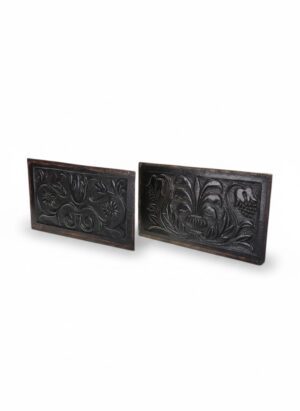
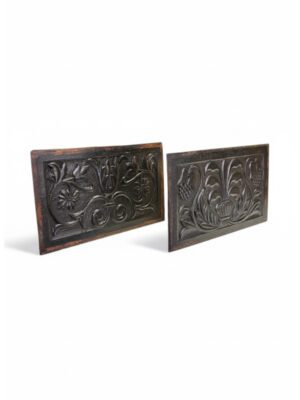
Wall panelling is a lining of timber, or sometimes plaster or other materials, fixed to interior walls in a framework of panels set within rails and stiles. It has been used in British houses for centuries to provide warmth, conceal rough masonry and add architectural richness to a room.
Tudor and Jacobean panelling typically consists of small oak panels, sometimes carved with linenfold, arcading or strapwork. After the Restoration, larger bolection-moulded and raised and fielded panels became fashionable, often made of pine and painted, with carved cornices, overmantels and door cases forming a unified scheme. In France, carved and gilded boiserie panelling reached great sophistication in the eighteenth century. The Victorians revived earlier styles, particularly in libraries, halls and dining rooms, and Arts and Crafts architects favoured simple oak panelling. Antique panelling from demolished or altered houses is a significant part of the architectural salvage trade and can transform a new or plain interior. When buying, consider the extent of the run, the quality of timber and carving, original surface and paint layers, and how easily it can be adapted to new room heights and openings.