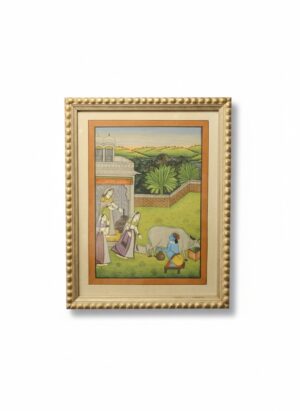
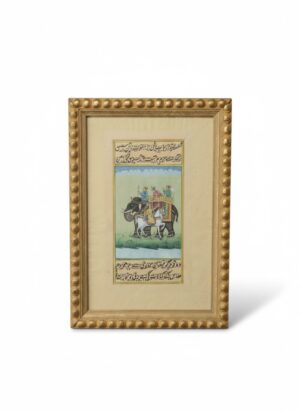
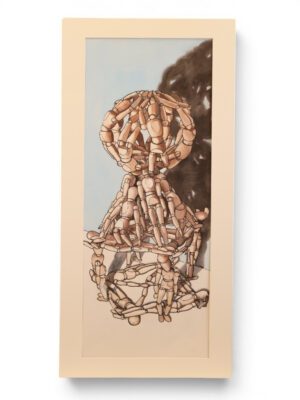
Watercolour is a painting medium in which pigments are bound with gum arabic and diluted with water, then applied to paper to create transparent washes of colour. The term also describes a picture painted in this way, and watercolours range from quick sketches and topographical studies to highly finished exhibition works.
Watercolour has a particularly strong tradition in Britain, where it flourished from the late eighteenth century. Artists such as Paul Sandby, Thomas Girtin and J. M. W. Turner raised it from a medium for topographical records to a major art form, and the founding of watercolour societies in the early nineteenth century confirmed its status. Victorian painters such as Myles Birket Foster and Helen Allingham made detailed rural scenes enormously popular. Watercolours were also central to botanical and natural history illustration, architectural drawings and amateur painting by the educated classes. Because pigments are sensitive to light, condition is a key consideration: fading, foxing, staining and cockling of the paper all reduce value. Collectors look for strong colour, confident handling, good provenance and the original mount, and watercolours should always be framed with conservation materials and hung away from direct sunlight.