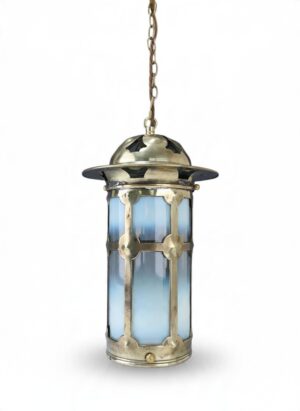
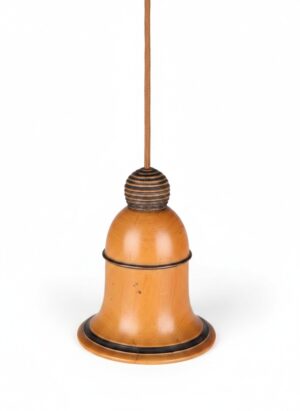
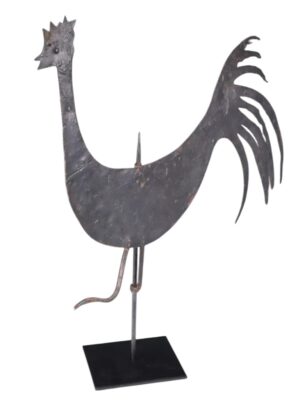
A registered design number is a number marked on a manufactured object to show that its design was registered with the British Patent Office, protecting it from being copied. It is often abbreviated to Rd No. and is found on ceramics, glass, metalwork, furniture fittings, textiles and many other goods.
The registration system began in the early 1840s, when designs were recorded using a diamond-shaped mark, often called a diamond registration mark, which carried codes showing the class of material and the day, month and year of registration. From 1884 the diamond mark was replaced by a simple running sequence of numbers, which continued to rise year by year. Because published tables link these numbers to the years in which they were issued, a registered design number provides a valuable way of dating Victorian and later objects, though it indicates only the date the design was registered, not the date the individual piece was made. Popular designs could stay in production for many years. Records held at the National Archives can sometimes identify the original registrant. Collectors use these marks alongside makers' marks, style and construction to date and attribute pieces with greater confidence.