Sèvres is the French porcelain factory that has been based at Sèvres, near Paris, since 1756, and the name is also used for the porcelain it produced. The factory began at the château of Vincennes in the 1740s, enjoyed the patronage of Madame de Pompadour, moved to Sèvres and in 1759 became the property of King Louis XV.
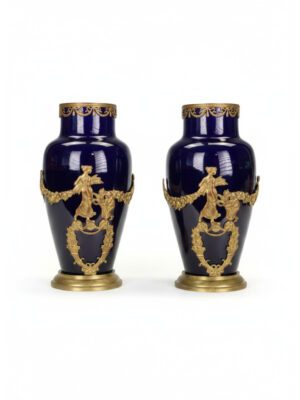
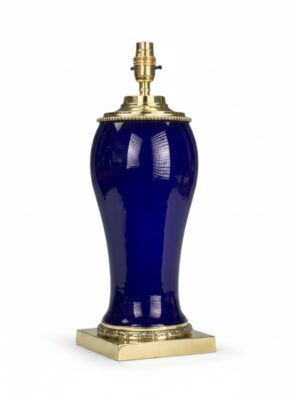
In the eighteenth century Sèvres became the most prestigious porcelain factory in Europe, rivalling Meissen. Its early soft-paste porcelain was ideal for brilliant coloured grounds, among them bleu céleste, rose and a deep royal blue, combined with lavish gilding and painted reserves of flowers, birds and figures. Hard-paste porcelain was introduced from around 1770, and the factory continued under the Revolution, Napoleon and later regimes, remaining state-owned today. Typical pieces include vases, dinner and dessert services, tea wares and unglazed biscuit figures. Genuine eighteenth-century pieces usually bear the interlaced L mark, often with a date letter and painter's or gilder's marks. Sèvres was imitated and faked extensively in the nineteenth century, with many decorated pieces bearing spurious marks, so careful attention to the paste, gilding, painting and marks is essential.